The Dream Con Experience of a Mental Health Professional
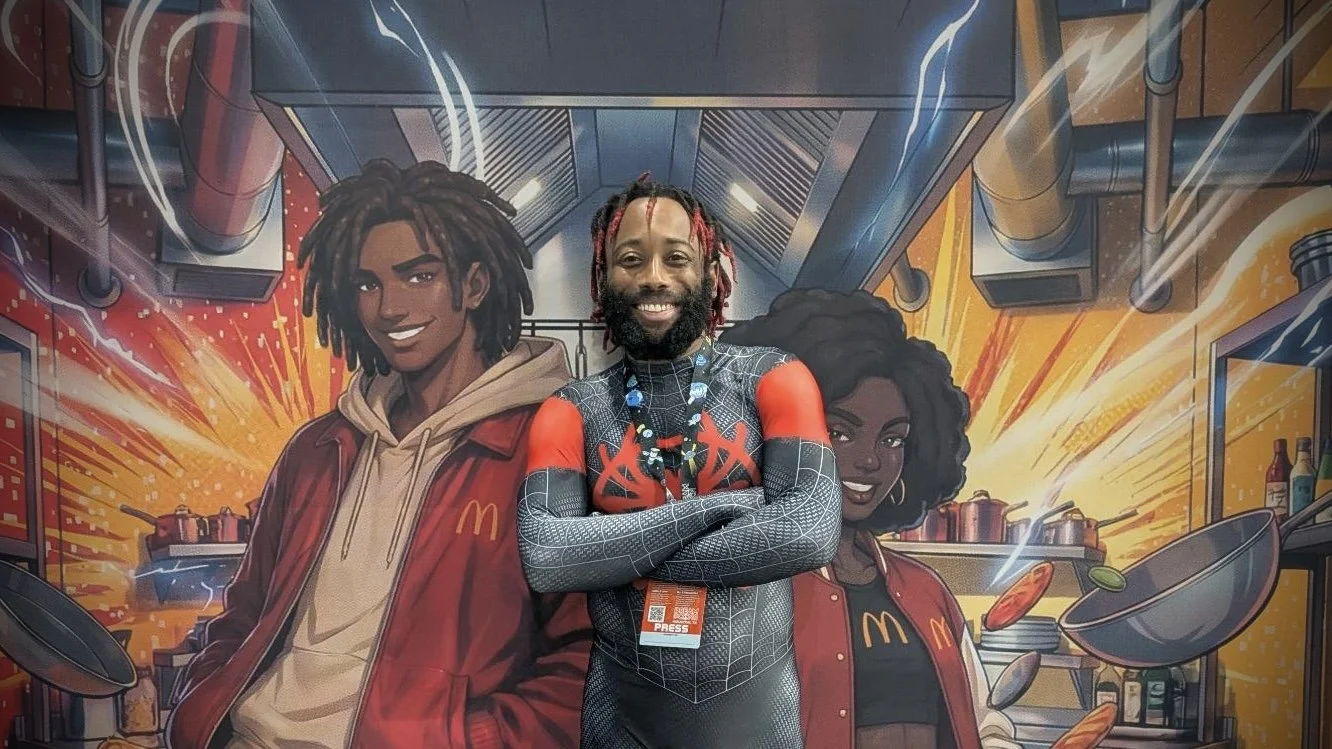
Walking into Dream Con for the first time, I had no idea what to expect. I knew it was a big convention highlighting pop culture and gaming; I did not imagine just how “BIG” the “big” convention would be. Although the convention is for everyone, it heavily features the Black Nerd (Blerd) community. As a self-proclaimed Blerd. I could not be happier to be with a community I have so desperately tried to find.
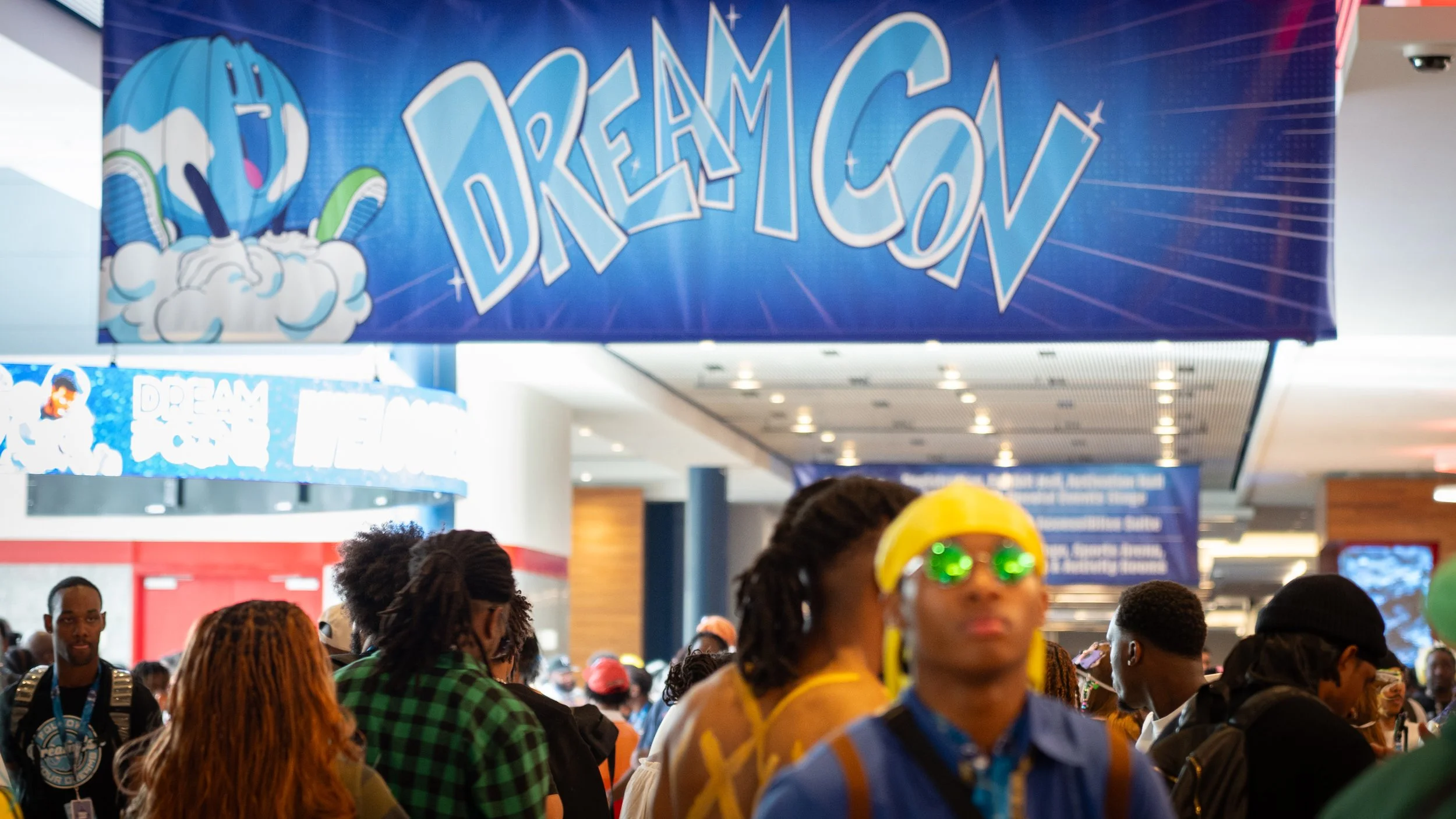
Growing up in the 90s, being a Blerd was never socially acceptable.
While it was socially acceptable to be Black, and socially acceptable (to a much lesser extent) to be a nerd, the two identities were never allowed to cross.
The Black community would criticize me for being “a weird” nerd for liking things like Pokemon and Anime. Simultaneously, the nerd community would criticize me for cosplaying my favorite characters “because they aren’t Black”. Both identities were never allowed to flourish simultaneously–that is, until Dream Con.
This childhood experience seemed to be a common place of ambiguous existence for many Gen X and Millennial Blerds.
This was a major topic of discussion during my favorite panel of the convention, “Exploring Race, Gender, and Joy Among Blerds” by Andrea Smith. In this panel, Smith discussed the Joy of many Blerds when finding their fellow Blerd community. The word “Joy” is an excellent word to describe the happiness I felt being at Dream Con for the first time.
The elation I felt at Dream Con is a difficult experience to describe. In many ways, I felt at home. It was like being at a family reunion and meeting family I did not know existed. It felt incredible new while equally very familiar. It felt like community. It was community.
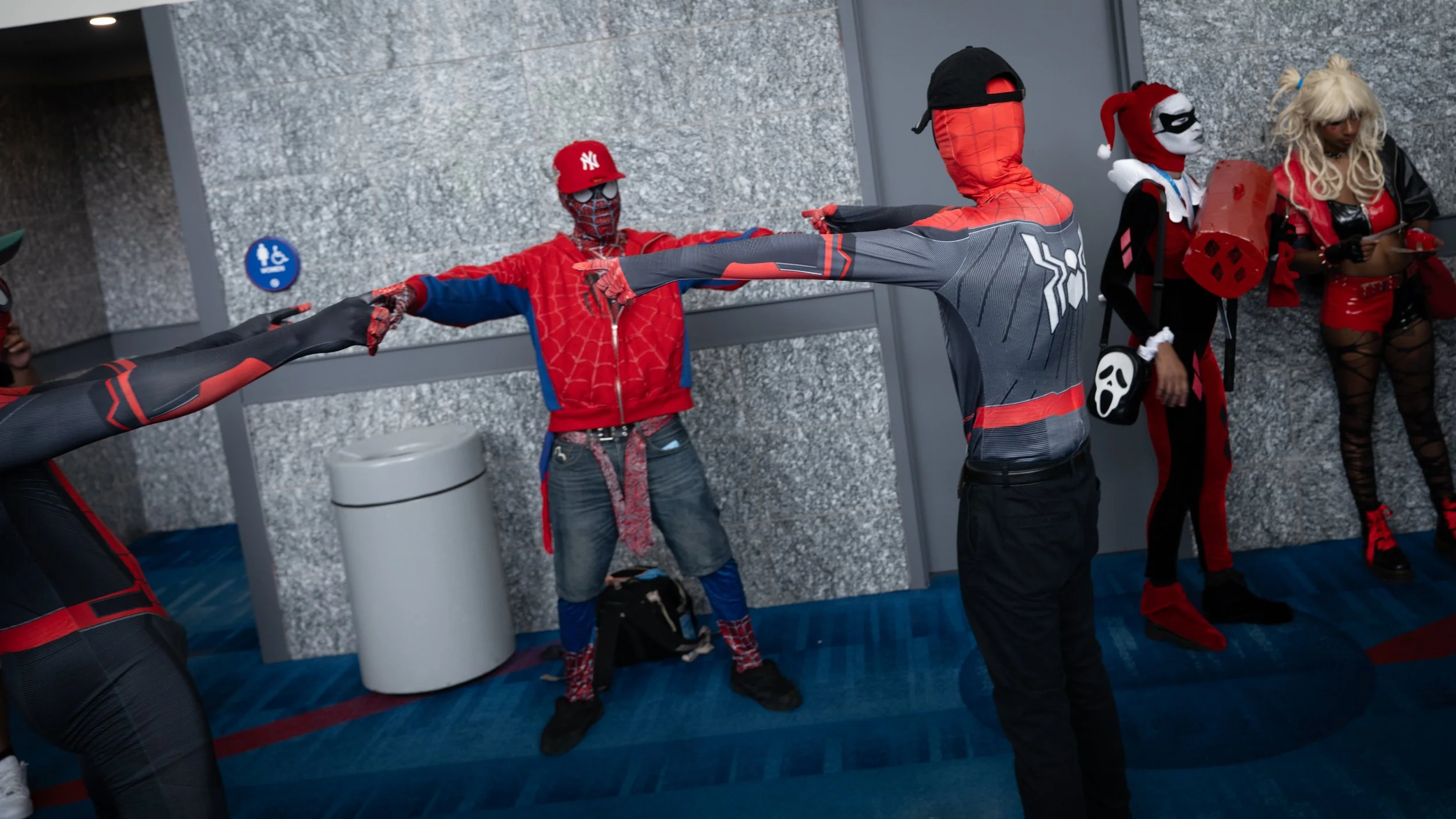
As a mental health professional, it would be remiss of me not to discuss the mental health impact of finding such a community.
Without going too much into the details of things, several mental health professionals discuss how powerful a sense of connection can be for positive mental health. This connection is particularly evident in Relational–Cultural Therapy. In this modality, therapists discuss the power of growth-fostering relationships and how these relationships improve mental wellness.
Dream Con was my re-introduction to the Blerd community. Seeing so many Blerds being genuine, authentic, and joyous, renewed a spirit in me that I forgot exists. The connections made, the community celebrated, and the joy felt is indescribable.
I am not sure what took me so long to make it to Dream Con. What I do know is that I plan on being back and seeing the family next year.