Comics Will Survive Fascism
Written by Seth Adrian Romo
The world is not well. With the number of horrors reported (or not reported) by the news every day, comics can feel trivial. But like every form of storytelling, comics continue to remind readers of the trials endured and the hope and love that perseveres in spite of evil. (And who doesn’t enjoy being a little spiteful?)
In celebration of another anniversary for Pages and Panels, it feels apt to reflect on how comic books fit into today’s violent and chaotic world.
It doesn’t take long sifting through social media for nihilism to creep in. We all get immense feelings of helplessness and sometimes wonder, “what’s even the point?” If everything is awful, what’s the use in picking up your pull box from the comic shop?
Yeah, this timeline is terrible. However, this past year I have seen many ways in which comics and the comic book community remain steadfast in refusing to cave to fascism or silence their voices. It seems kindness hasn’t gone out of fashion.
The current US administration has tried to break us, but ironically forgets how stubborn people–especially comic book fans–can be. This administration tried to make Diversity, Equity, and Inclusion (DEI) programs obsolete and unpopular. It has destroyed the US economy resulting in hundreds of thousands of women (especially Black women) to exit the workforce due to attrition or layoffs. It has sent ICE agents to kidnap, terrorize, and murder innocent people, created concentration camps, engaged in what can be legally defined as war crimes, signed executive orders to discriminate and vilify the LGBTQ+ and Trans community, and don’t forget the atrocities in the Epstein list.
So why do comics–of all things–give me hope?
For starters, comics and the comic book community continues to be diverse in creators and in its fandom. Creators of all different backgrounds are making their presence and voices undeniable in comics released by major publishers as well as in the Kickstarter/self-publishing realm.
A perfect example is the success of the New History of the DC Universe: The Dakota Incident from Milestone media. This issue showcased the immense respect and love for characters from the Dakota-verse and in addition to being well-reviewed, it had to go back to print to meet demand. For a country that demands capitalistic ideals, New History of the DC Universe: The Dakota Incident highlighted how the market will positively respond to a comic filled with diverse talent and characters.
Then there’s art as a form of resistance. Follow enough comic book artists and it’s easy to find famous heroes beating the shit out of ICE agents. This display of disapproval has been met with tons of “reshares, resposts, and likes” on Instagram. These statements are prime examples of creators leveraging their platforms and creating art that many resonate with. (My favorite being Absolute Batman putting an ICE agent in a chokehold.)
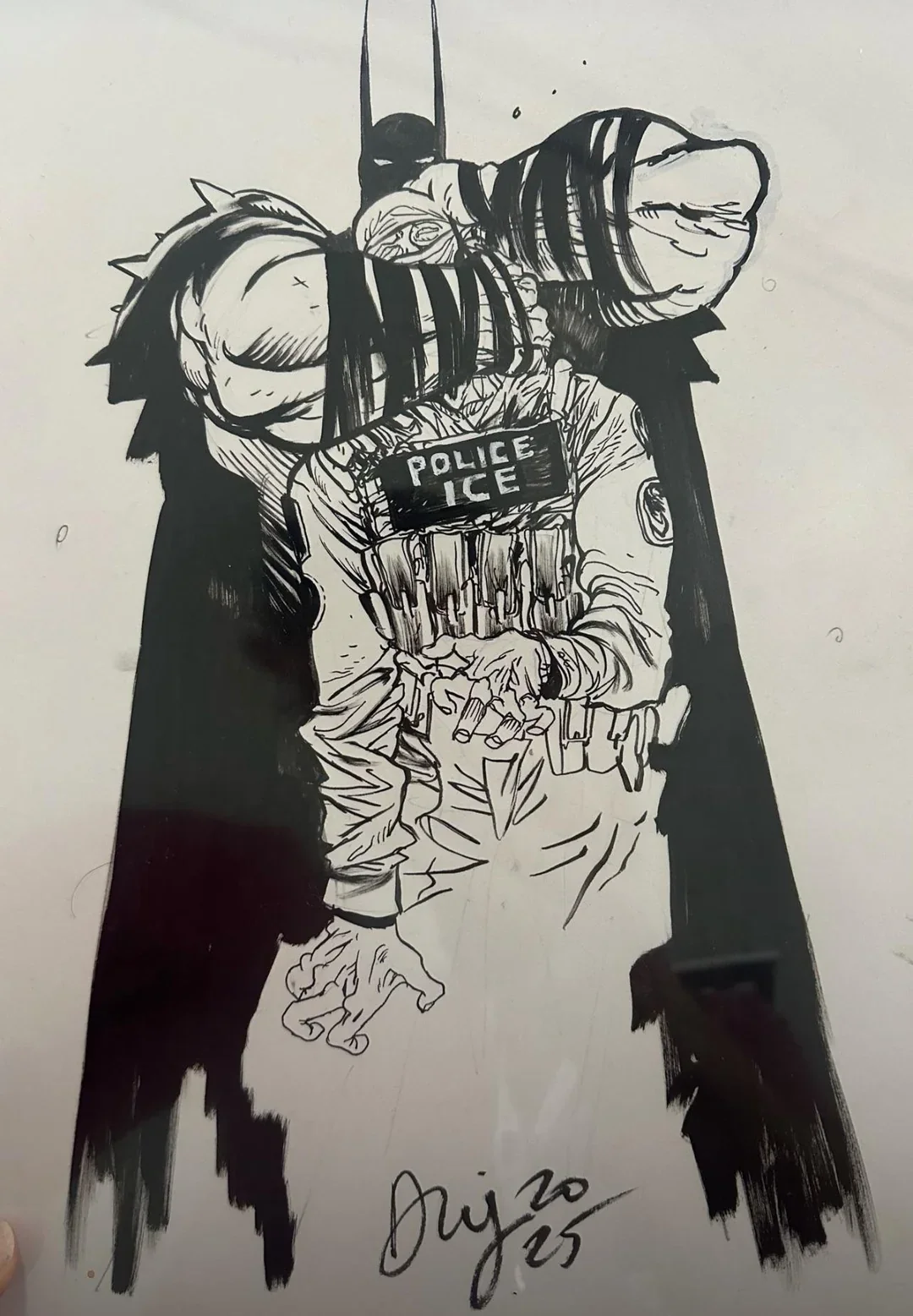
Image credit to artist Daniel Warren Johnson.
While comic book creators are still overwhelmingly male, an exciting initiative known as the Zelda Awards has shown another way in which the community actively chooses to celebrate and support the very people this administration and red-pill content creators hate: Women.
Inspired by Zelda "Jackie" Ormes, one of the first Black Woman cartoonist in the United States, The Zelda Awards is designed to celebrate women in comics from a range of categories such as webcomics, manga, graphic novels, writing, illustrating, coloring, and lettering. Their premier award ceremony includes more than 150 talented creators and brought in more than 9,000 votes.
Another beacon of acceptance and commitment to diversity was the series The Comic Shop. This 6 episode TV show collectively brought in more 250,000 views on YouTube and was funded via kickstarter. Led by the funny and talented mind of Cheyenne Ewulu, each episode was sharp, multi-layered, and even leveraged the only Black-owned comic book shop in Los Angeles as a backdrop.
Of course no fandom is perfect, and a minority of vocal members of the comic book community make it their mission to be as toxic as possible. But despite incel efforts, it’s clear the comic book community has indicated what values are most important. (Side note: There is still a long way to go in terms of diversity and inclusion in the comic book industry.)
And it makes sense though, doesn’t it? History shows that art and stories have their place in tragedy and struggle. For those who need a reminder of what power art and stories can contain, look no further than Marah Khaled al-Za’anin, an artist who turned a tent into an exhibit in Gaza where active genocide is still occurring.
Comics—much like people—are resilient. Despite facing odds with the Comics Code Authority in the 50s and fast forward to current day ban attempts, comics still emphasize telling rich and diverse stories.
In the grand scheme of tragedy, comics seem like a small aspect of resistance, but like all resistance every pushback or act of service matters.
If you haven’t noticed, this piece isn’t really about just comics. Comics, like every other version of storytelling, make us human, and regardless of what doomscrolling will have you believe, humans are nothing but tenacious.
I’d like to end this soap-box with a reminder that looking out for each other is more than some “feel good” sentiment and it’s not limited to just being kind. I actively encourage everyone reading this to get involved in local organizations doing the work, donate to their local food banks, read more—make bad art, and for the love of God…Go. Vote. Local or national, you have to participate and candidates need support if change will ever happen.
The age of passive engagement is over. To quote a TikTok video I saw, “No one is going to save you, but that also means no one is going to stop you.”
Edited by Katelynn Virgous