Interdisciplinary Artist, Nihaarika Negi, Makes Comic Debut with Hunger

“I hope this book moves the reader or stays with them in some way that lasts longer than the time spent reading it. The goal of my work is always to think that there are no black and white answers to situations.”
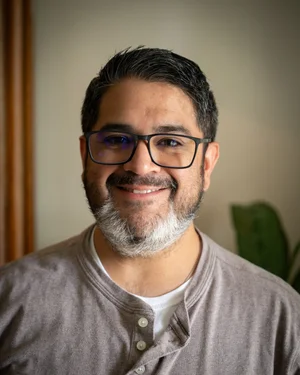
Nihaarika Negi
Nihaarika Negi never stops creating. As an award-winning interdisciplinary artist, filmmaker, and now a comic creator, her passion for telling the story of the human experience is unmatched.
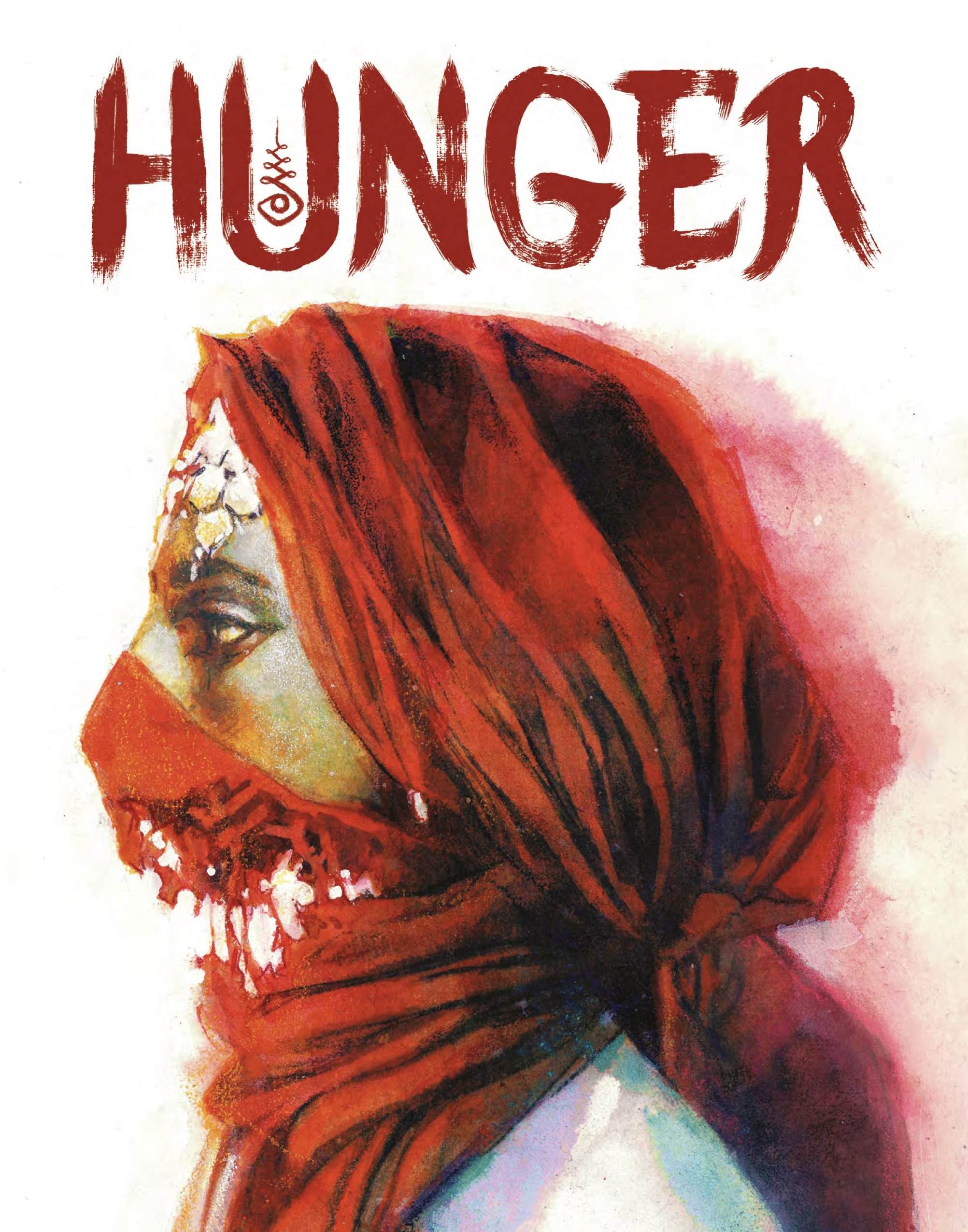
Negi’s ability to blend genres throughout different mediums of storytelling has made its way to comics in her recent release, Hunger, illustrated by Joe Bocardo with colors by Jose Villarrubia and published by Lab Press.
Hunger combines body-horror, historical fiction, and fantasy for a tale that presents readers with an intense look at British colonialism in Bombay in the late 1800s. This graphic novel tells the story of Izna, a mutated being who reflects generations of embracing monsters to survive. Equally thought-provoking and visually stunning, it’s certainly a title worth adding to your reading list.
Seth Adrian Romo: You’ve worked in a range of mediums, how was your journey getting into telling stories in comics?
Nihaarika Negi: As an interdisciplinary artist, I try to see what is the best format for a particular story or idea. I have been interested in this type of work because it gives you freedom to not be stuck in a silo. The act of creating isn’t limited to one discipline and with graphic novels it’s similar where you have to understand the visual art and the writing in the larger sense of storytelling.
When it came to inspiration for Hunger, what brought about the idea for this story?
The idea came to me in 2021 during the second wave of Covid-19 lockdowns in India. It brought about its own kind of famine in a way. What was most tragic was coverage and reporting by international and even local outlets that sensationalized the spectacle of brown death without any concern for those that had passed. I became interested in exploring the root of the hunger that was happening and this led me to another time in history when a pandemic and famine coincided in 1896 in Bombay. It was clearly created by British colonization and it felt like history was repeating itself. At the time, famine photography was quite popular and this felt strangely familiar to the present day.
Hunger is rooted in history, but there are fantasy and body horror elements. As you developed the story, how did you go about blending genres?
The goal of my work is always to think that there are no black and white answers to situations. When you look at the relationship between the oppressed and the oppressor, it’s almost like the two are connected by a codependent relationship of give and take forged in trauma. I was interested to find what is the Indian perspective on horror. Hunger is rooted in the Indian context, it’s never without elements of folktale and magical realism and mysticism, because that’s how our cultural context is. Even during times of horror, people have stories of monsters that they’re afraid of in the night or stories of a family member that might have powers to control spirits. But within that there are all of these other monsters inside ourselves such as our anger, rage, or desires, that feed and tie to larger contexts politically and socially. So I wanted to bring this all together without giving readers a history lesson or make anyone feel guilty. Hunger is more a story of two kinds of people on opposing sides who have this desire that’s unsanctioned but they want to explore it with the other person.
As someone who has worked in different mediums, what about graphic novels made you feel compelled to utilize this medium?
The Editor-in-Chief at Lab Press Dagen Merrill, was one of my professors from the Peter Stark Program at USC where I studied. He encouraged me to explore the graphic novels format and I found it to be really exciting because graphic novels are a very pure form of storytelling. It’s a collective vision of all collaborators and you can be quite wild and unbridled in imagining things—especially if you’re working with a talented artist like Joe Bacardi.
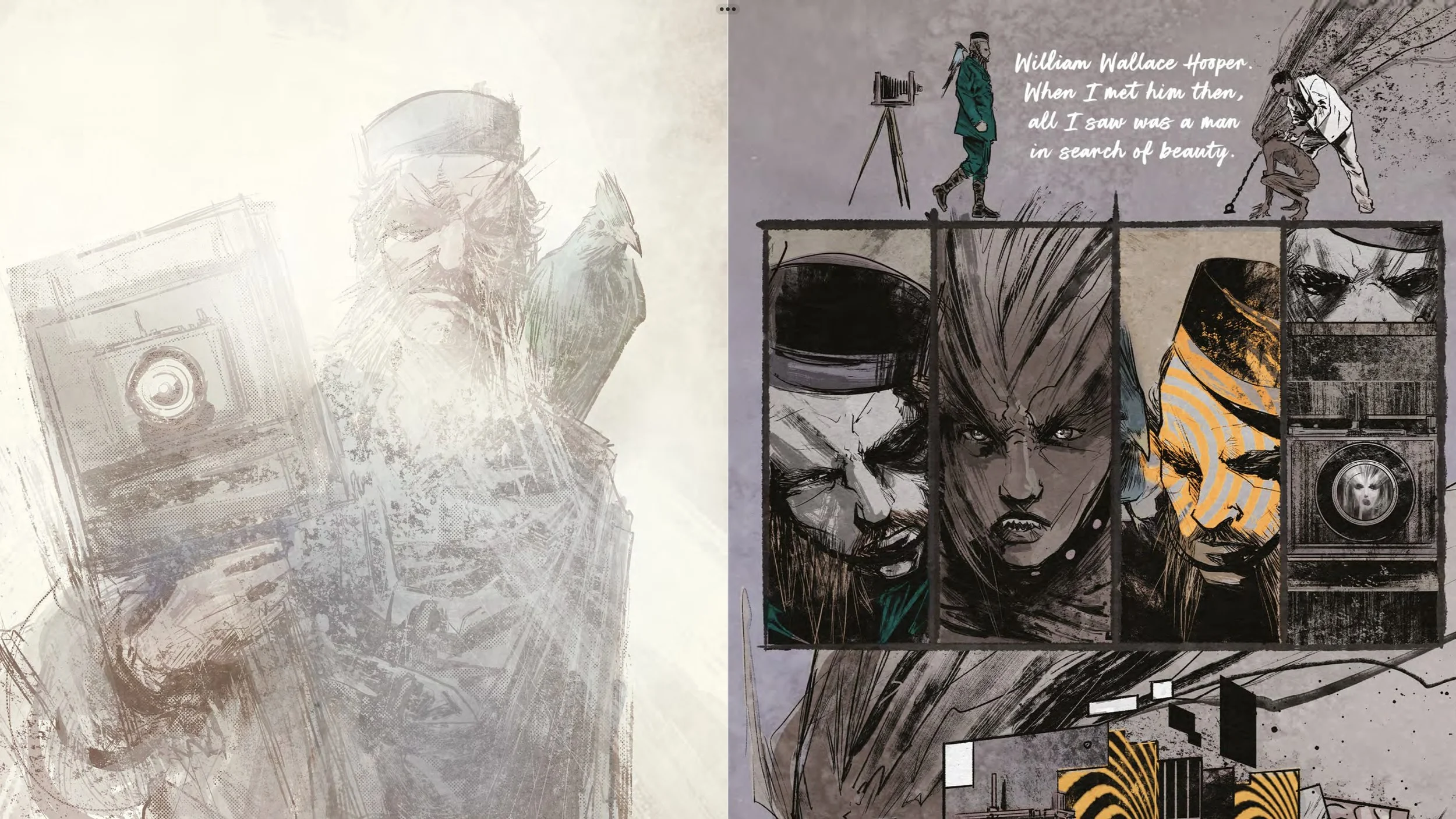
What was the collaborative process combining your story with a visual element?
I come from film with my previous work, but completing Hunger has actually helped me understand film more because of the detailed work that goes into paneling similar to that of storyboarding. Working with Joe was an incredible experience. He’s one of those rare people who really understands the material from your perspective in a deep way and then makes it his own.
Now that Hunger is released, what are you most excited for readers to take away from your graphic novel?
I hope this book moves the reader or stays with them in some way that lasts longer than the time spent reading it.
Hunger is now available through major retailers. Click here to get your copy at BookShop.org.
Nihaarika Negi, an Indian International Interdisciplinary Artist, works in film, theater, live art, and new media. Praised by MOMA and The Hindu, her film and theater pieces are acclaimed and groundbreaking. A Berlinale Talent 2021, she's won the XR Market Award at New Images XR Festival and is supported by institutions like Sundance Institute, Venice Biennale, and UK Arts Council. Her debut feature, Labours Of (An)Other Solipsist, screened at NCPA, while her second, The Threshold, was recognized at Mumbai and London film festivals, also aired on Channel 4 and Star Gold. Her short, The Housemaids, is distributed by Amazon Prime and Disney+. Currently, she's developing her next feature, Feral, with Oscar-nominated producers Albert Berger and Ron Yera. For more about Nihaarika, visit nihaarikanegi.com.
This interview was written by Seth Adrian Romo. All quotes were edited for clarity.